ONESQA Enhances External Assessor Capacity for DLE Institutions through Additional Cohort 6 Training, Emphasizing Virtual Visit Skills, Digital Tools, and Constructive Feedback for Context-Based Quality Improvement
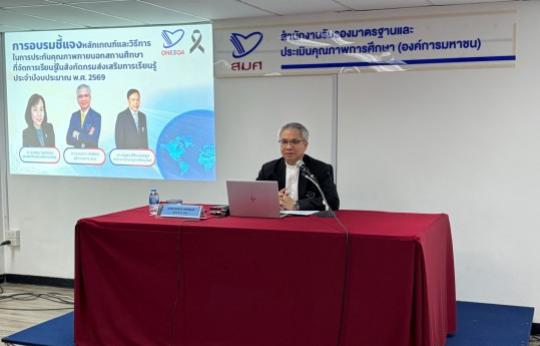
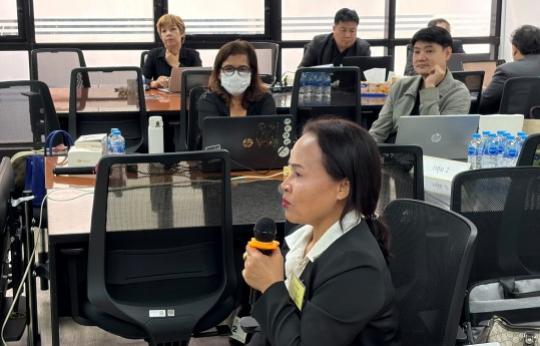
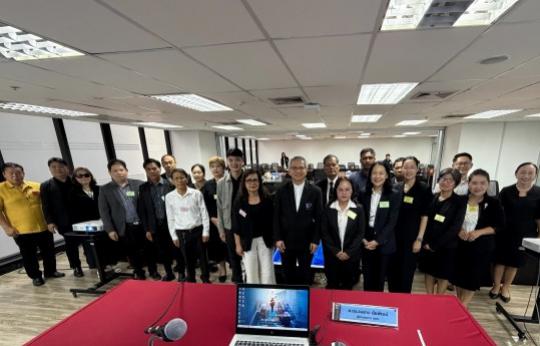
On 23–24 March 2026, the Office for National Education Standards and Quality Assessment (Public Organization) (ONESQA) organized a training program on the criteria and procedures for external quality assessment of educational institutions under the Department of Learning Encouragement (DLE) for Fiscal Year 2026 (Cohort 6). This additional cohort was specially arranged to provide further training opportunities beyond the originally planned five cohorts. A total of 20 external evaluators, along with ONESQA executives and staff, participated in the program.
The training aimed to enhance external assessors’ understanding of the legal framework under the Promotion of Learning Act B.E. 2566 (2023), as well as the External Quality Assessment Framework and Instruments (2025–2029). It also focused on strengthening practical skills in conducting Virtual Visits and utilizing digital tools for evidence collection, enabling evaluators to produce assessment reports that provide constructive, development-oriented insights leading to tangible improvements in educational quality.
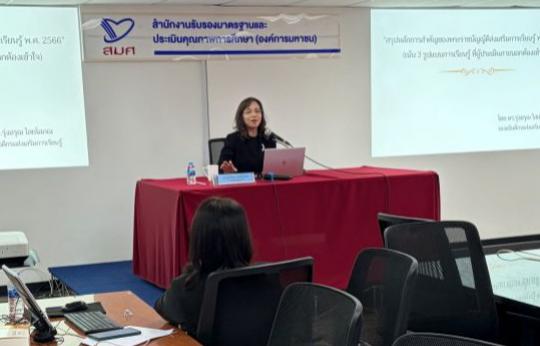
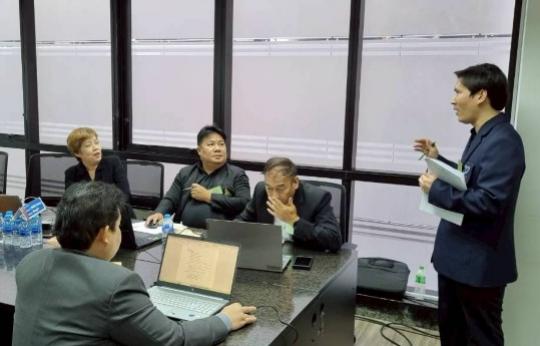
The program was honored by the presence of the Director of ONESQA, Dr. Rung-arunSaiyasophon, Deputy Director-General of the Department of Learning Encouragement, and Dr. Nattapol Titinanantakul, ONESQA Senior Academic Specialist, who served as keynote speakers. In addition, Asst. Prof. Benjawan Ubonsri, Deputy Director of ONESQA, delivered a special session on effective communication and constructive feedback.
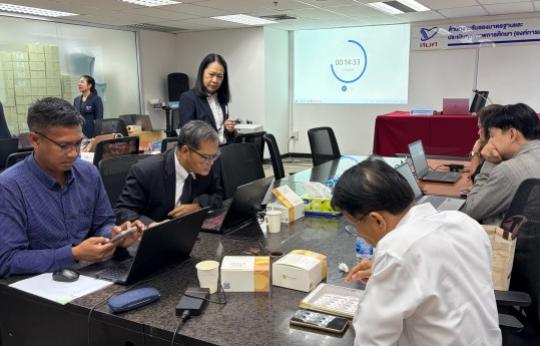
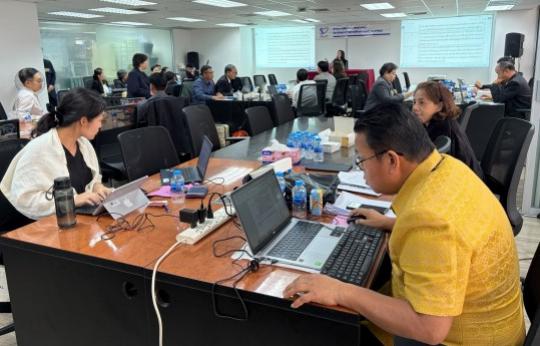
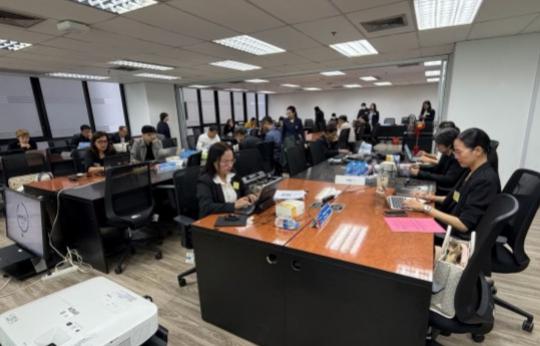
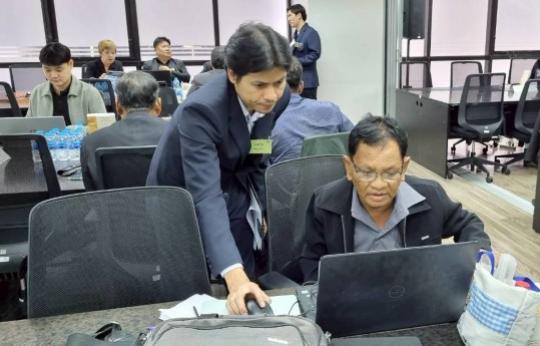
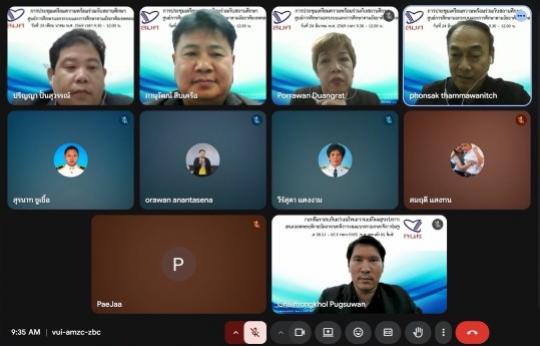
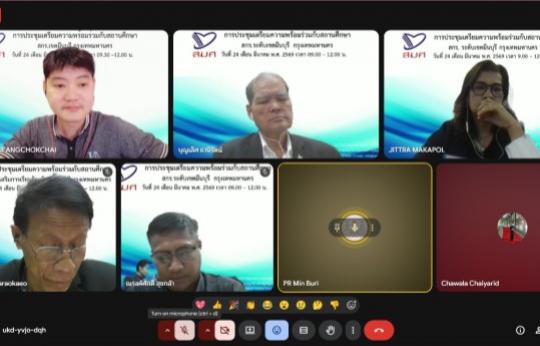
During the program, participants engaged in Virtual Visit simulations in collaboration with educational institutions under the Department of Learning Encouragement in Bangkok. These hands-on activities provided practical experience in observation, analysis, and quality-level judgment based on the new standards. The program also provided a platform for knowledge exchange and discussion among external assessorsand speakers, fostering a collegial and constructive evaluation culture aimed at maximizing effectiveness and supporting continuous improvement in educational quality.
Thumbnail