ONESQA and ISI Forge Strategic Partnership to Elevate Accreditation Standards for High-Potential Schools in Thailand
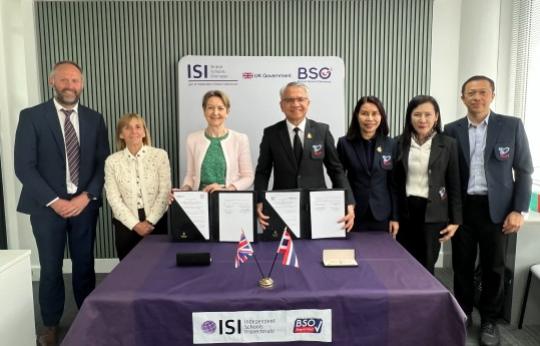
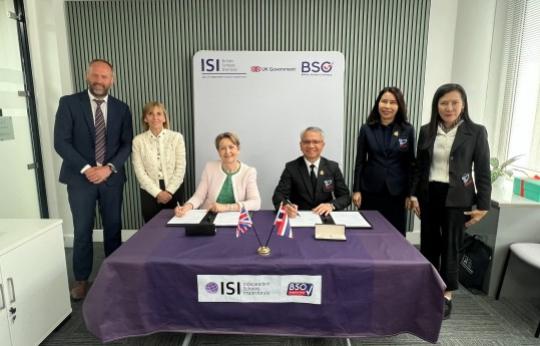
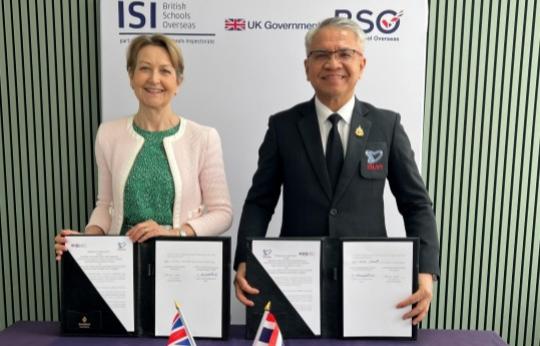
On June 30, 2026 -- The Office for National Education Standards and Quality Assessment (Public Organization), Thailand (ONESQA), and the Independent Schools Inspectorate (ISI), United Kingdom, have officially entered into a Memorandum of Understanding (MOU) establishing a cooperative framework for the joint accreditation of high-potential schools in Thailand. This milestone agreement will serve to drive ONESQA’s round of External Quality Assessment, marking a significant advancement in pushing and elevating educational quality assurance to align with global benchmarks.
The formal accord was executed by Professor Ong-art Naiyapatana, Ph.D., Director of ONESQA, and Ms. Vanessa Ward, Chief Executive of ISI. ISI is a premier, internationally recognized body appointed by the UK government to inspect over 1,500 independent schools in England and British Schools Overseas (BSO) across more than 50 countries. This strategic partnership represents a pivotal milestone in enhancing institutional credibility and educational transparency. By synthesizing ISI’s rigorous global BSO inspection methodologies with ONESQA’s national assessment framework, the collaboration ensures absolute institutional integrity. Furthermore, both parties will engage in the reciprocal exchange of best practices, with a dedicated focus on child safeguarding and Special Educational Needs (SEN). Crucially, the joint process will integrate mandatory standards for Thai Language, Culture, and History (TLCH) curricula, ensuring that high-potential schools in Thailand maintain deep cultural appreciation and respect alongside world-class academic excellence.
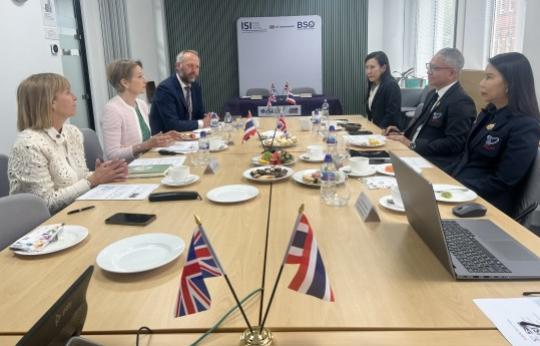
Moving forward, ONESQA and ISI will execute concrete capacity-building initiatives, beginning with collaborative training sessions to upskill Thai assessors. To alleviate institutional burdens and optimize operational efficiency, both organizations will actively explore cost-effective "Cluster/Hub Models" for quality inspections, alongside localized inspector training to maximize fiscal viability for participating educational institutions.
This formalized alliance solidifies a shared commitment to sustainable educational development, ensuring that high-potential schools in Thailand thrive within a robust, internationally recognized, and culturally respectful quality assurance ecosystem.
Thumbnail